![]()
HASCO Electric Auto Parts Cleanroom Project English Translation
1.Project Overview
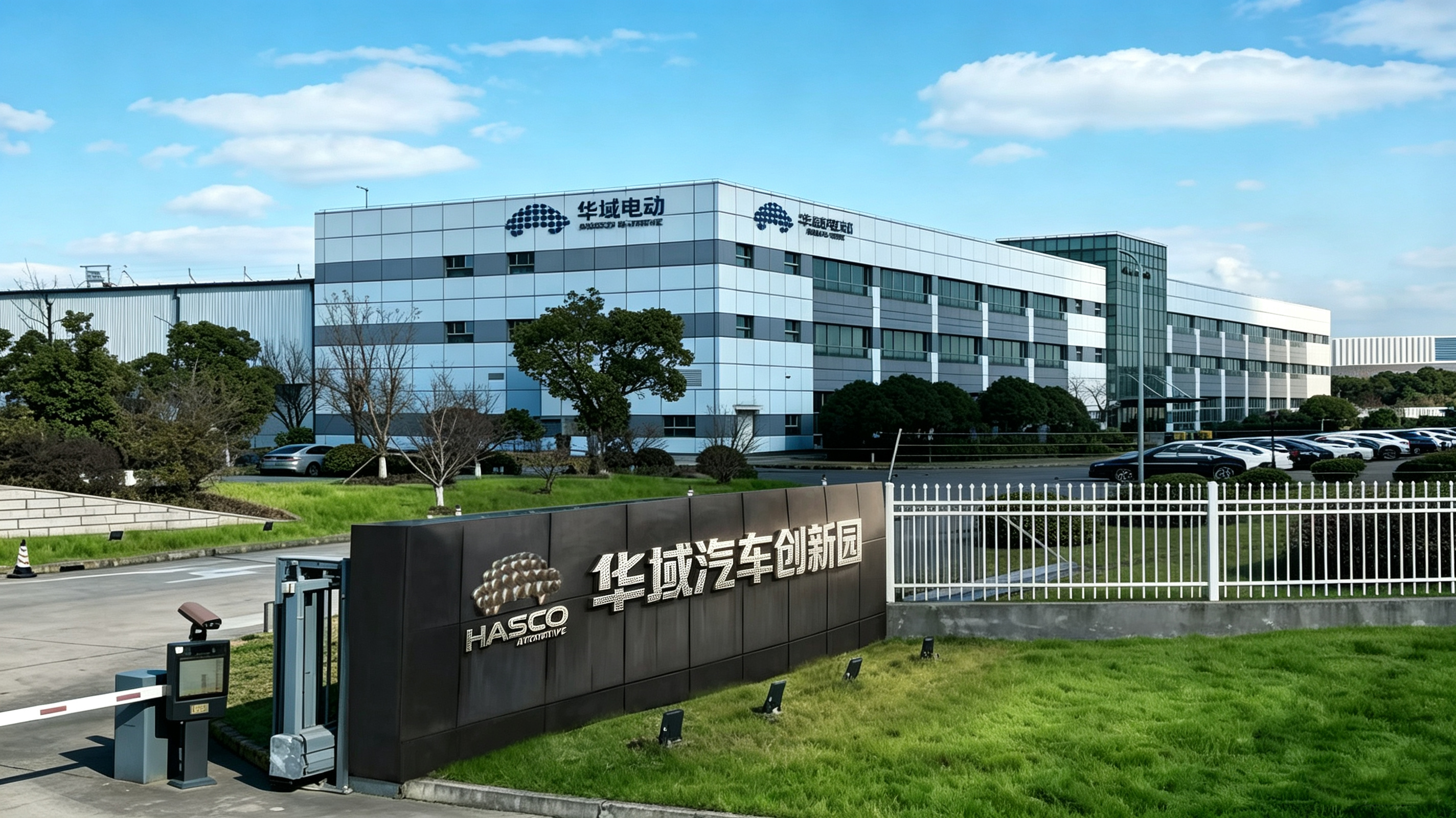
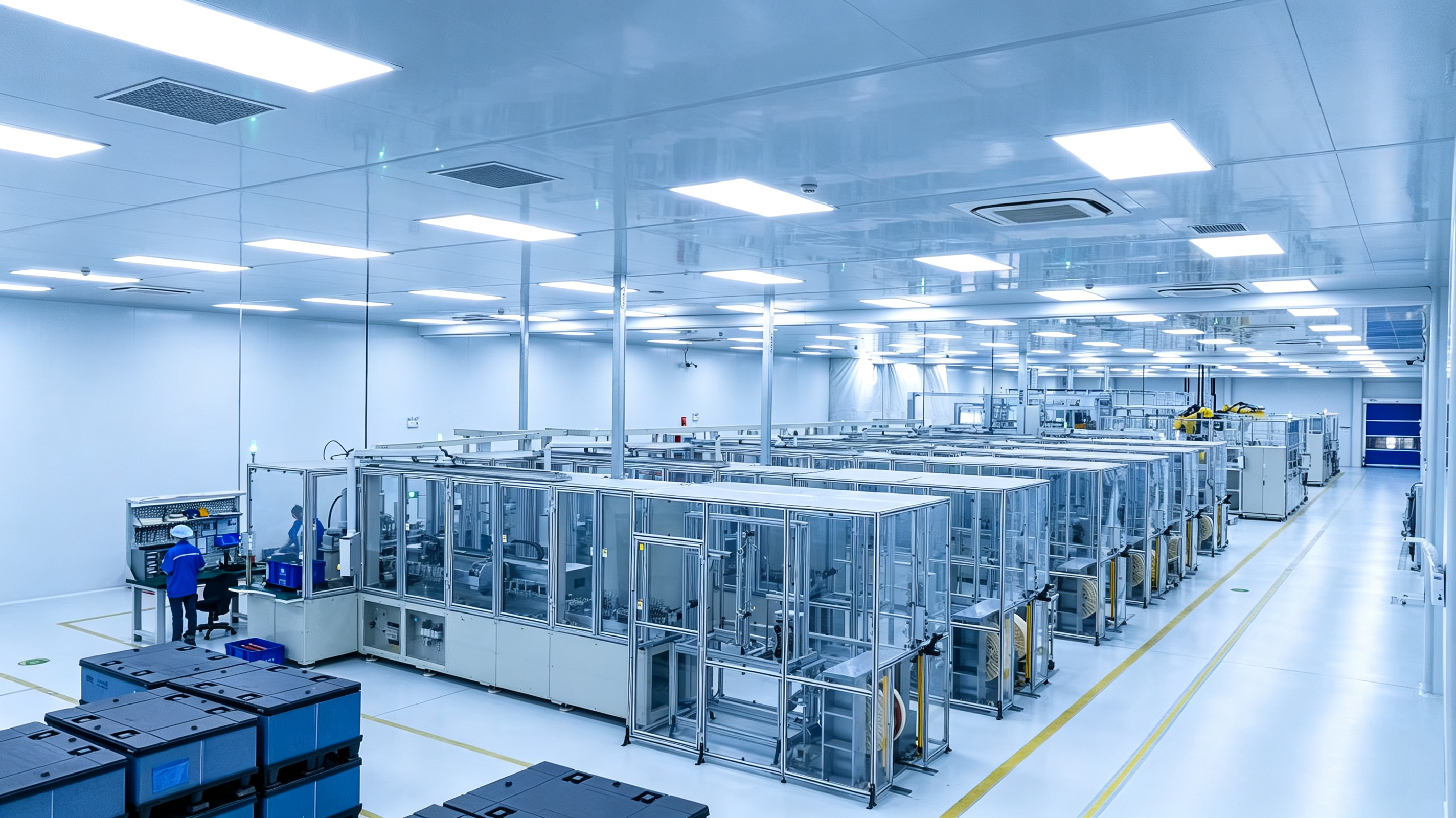
HASCO Electric focuses on mass production of new energy vehicle drive motors, electronic control units and on-board precision electronic components. The electronic assembly, stator packaging and testing zones have strict requirements for dust-free, anti-static and low-micro-particle environments. We delivered a full set of cleanroom enclosure panels, stainless steel air showers, material pass-through windows and FFU fan filter units, building a standardized Class 100,000 clean production line that complies with IATF16949 production control specifications for new energy auto parts.
2.Project Challenges
- 1. Precision electronic components are highly susceptible to dust and static electricity, which lead to short circuits and assembly defects. A stable low-dust anti-static workshop environment is required.
- 2. The workshop is frequently wiped with alcohol and cleaning agents, so enclosure panels and equipment must be corrosion-resistant with no dust-accumulating gaps.
- 3. Frequent entry and exit of personnel and materials require graded dust removal and isolation to prevent external dust from entering the clean zone.
- 4. Automated production lines operate 24/7, so the cleanroom system airtightness and filtration equipment need long-term stable performance with low maintenance
3.Supporting Solutions & Implementation Results
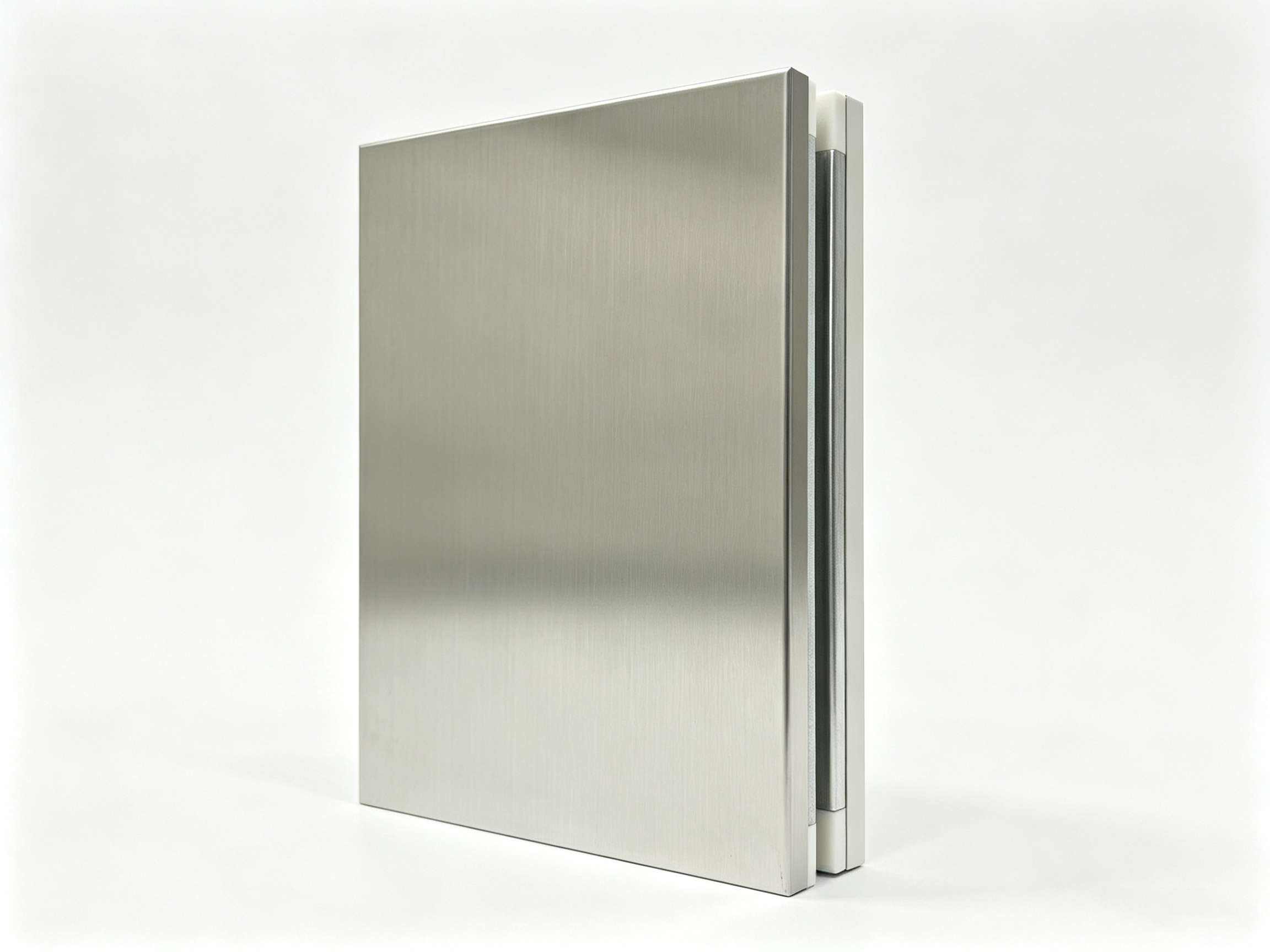
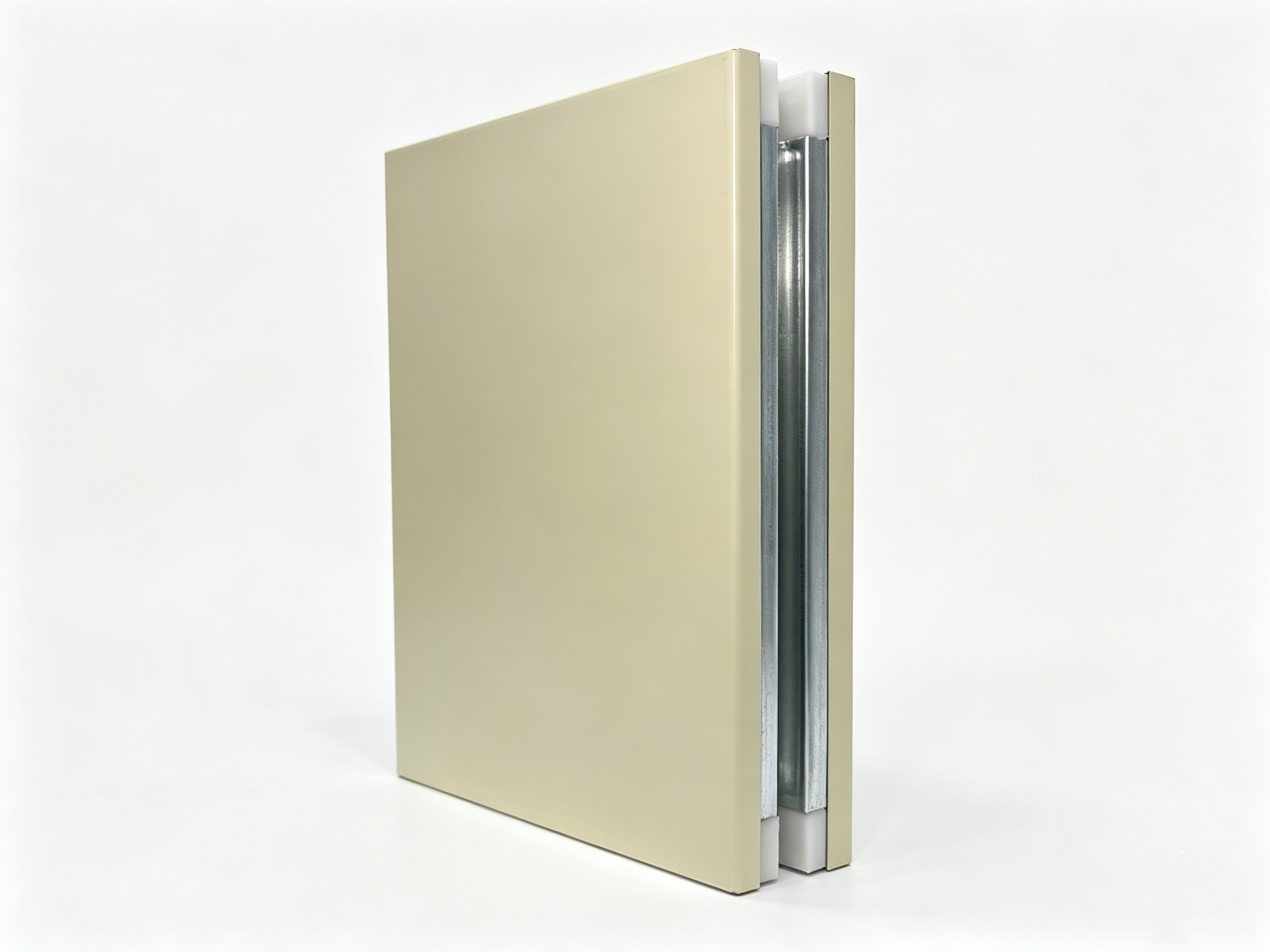
- 1. Cleanroom Enclosure System: Seamless modular clean wall panels with arc corners eliminating dust dead corners. Anti-static coating suppresses static accumulation and resists wiping with chemical reagents.
- 2. Personnel Purification Equipment: Multi-person stainless steel air showers with full-speed omnidirectional air blowing and double-door electronic interlocks to block cross airflow.
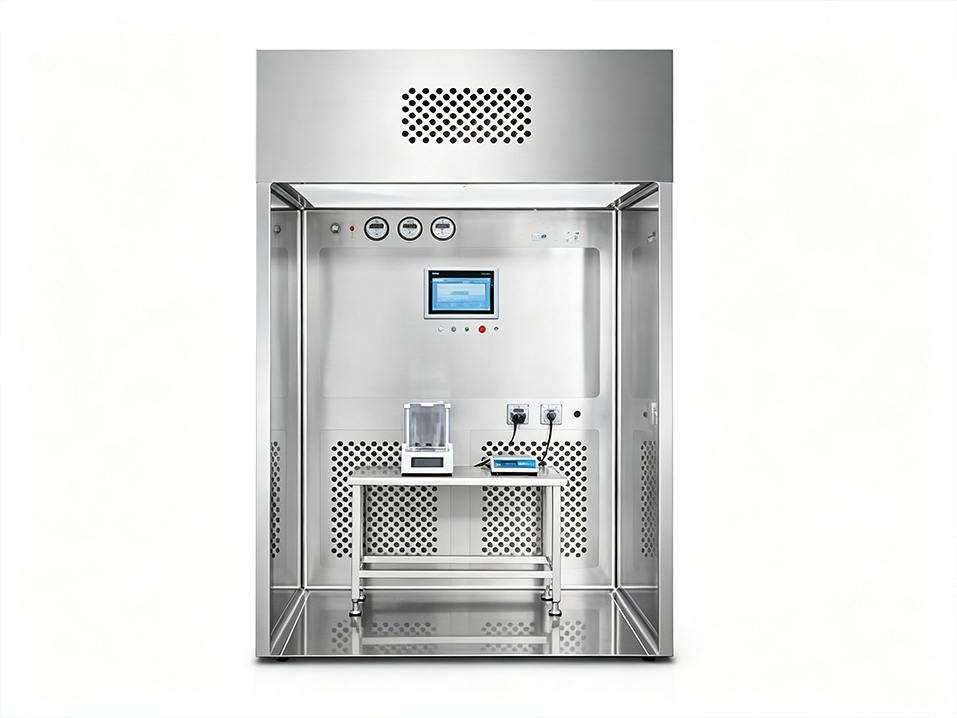
- 3. Material Transfer Matching: Stainless steel interlock pass-through windows enable dust-free cross-zone transfer of spare parts and tooling.
- 4. Terminal Purification: FFU laminar air supply paired with H14 high-efficiency filtration maintains stable workshop cleanliness and significantly reduces defective rates of auto parts.
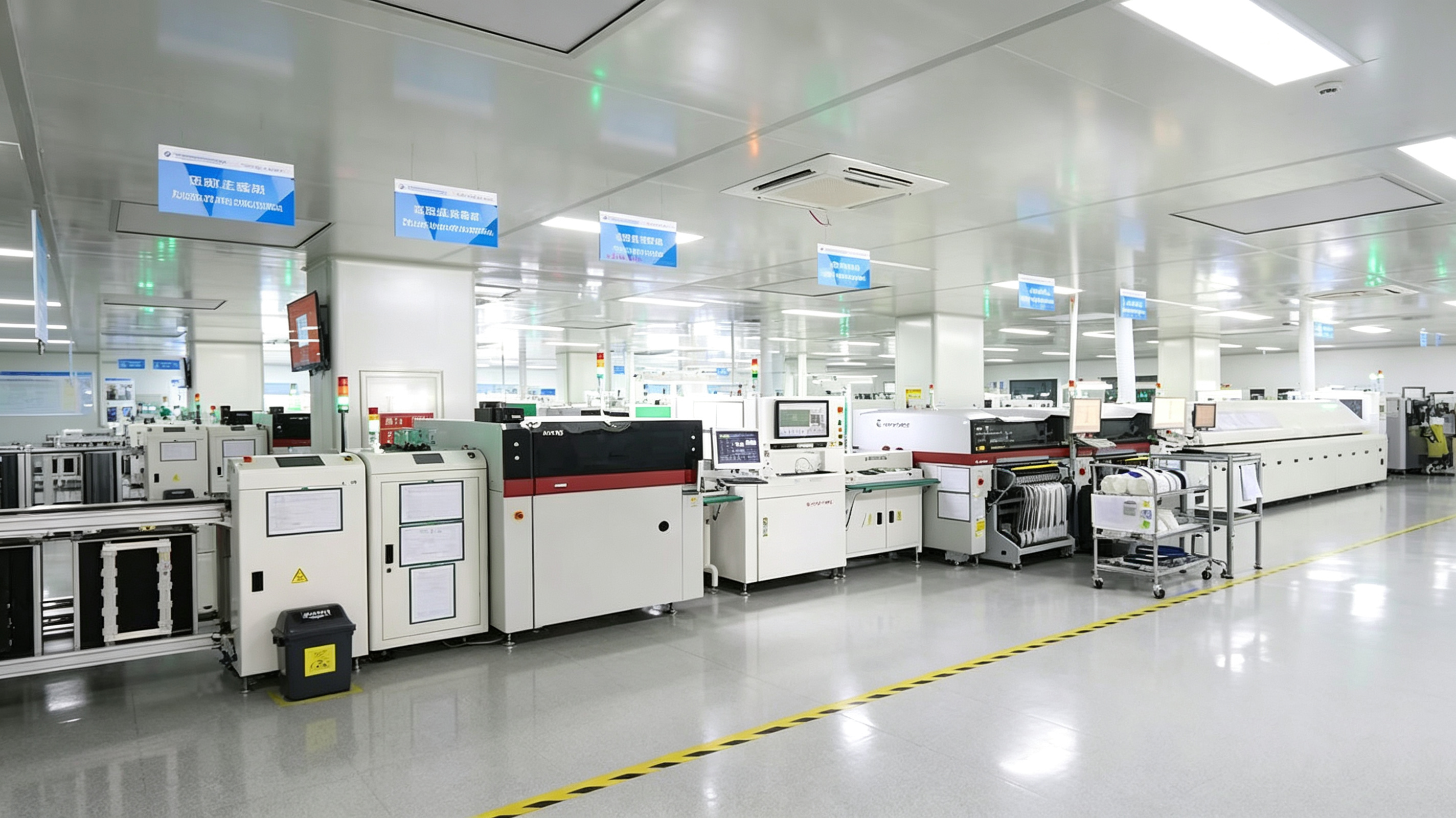 After acceptance, all indicators including pressure differential, particle concentration and anti-static performance of the full cleanroom system meet standards, perfectly matching mass automated production conditions for new energy auto parts.




 English