We have a passion for unconventional solutions that bring your vision to life.
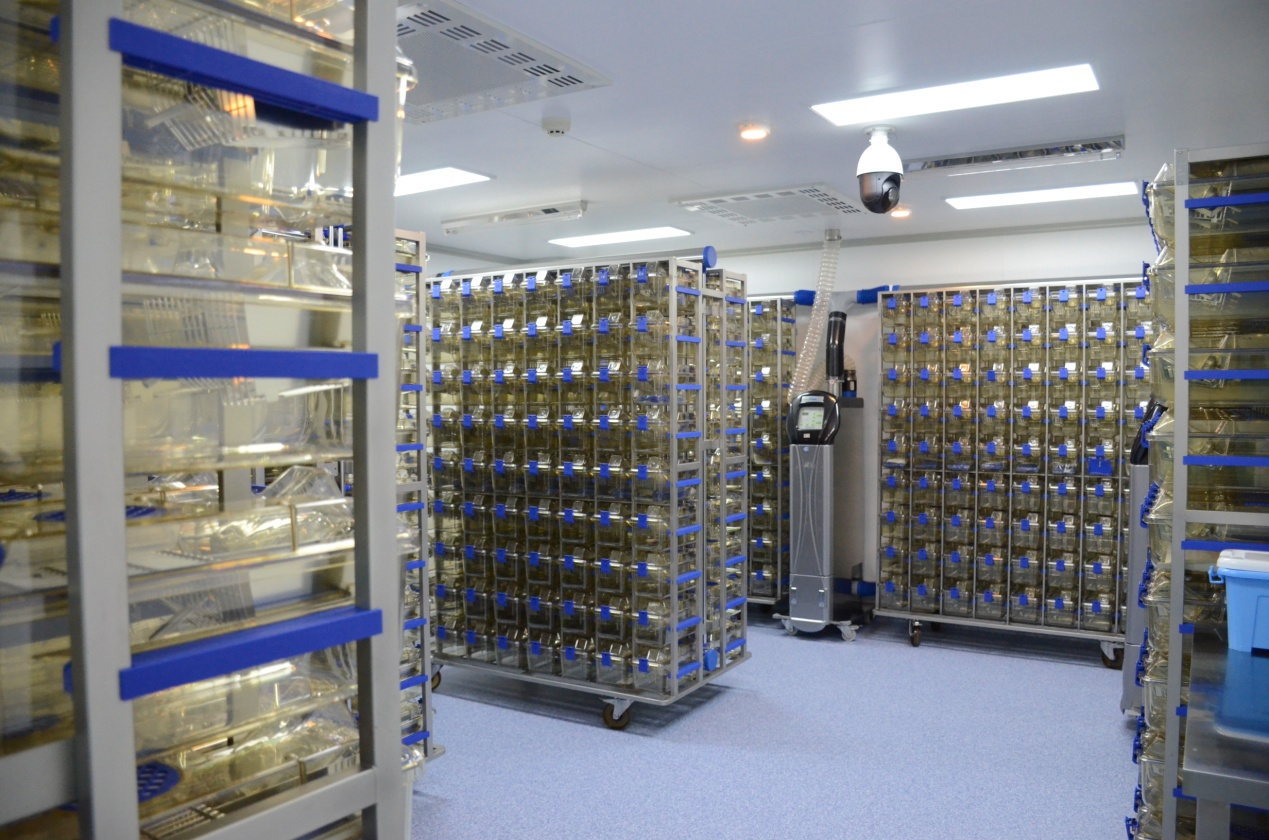
Laboratory animals are essential research models in life science, bridging basic cell & molecular research and clinical translation. A large proportion of SCI papers rely on animal studies. Proper animal housing directly determines the reliability of experimental data and impacts biomedicine, pharmacology and gene research.
SPF barrier animal labs must comply with national mandatory standards covering temperature, humidity, air change rate, pressure differential, cleanliness, ammonia concentration and noise. Any out-of-spec parameter causes irreversible harm to animals and invalidates experiments.
HVAC design focuses on constant temperature & humidity, air change rate and noise control. Proper control of these three factors helps maintain cleanliness, ammonia level and settling bacteria within limits. Four major challenges are summarized below:
Animal labs operate continuously. Transitional seasons bring conflicting demands: cooling during warm days and heating at cold nights. Shared cold-heat units switch frequently, resulting in poor precision and fast wear. The optimal solution is separate cooling and heating sources. If only one heat pump unit can be used, backup regulation systems are required to prevent environmental failure. Frequent heat-cool cycling shortens compressor service life and increases long-term OPEX for nonstop operation.
Circulation fans are mandatory to be configured as one running + one standby. Chillers and water pumps are recommended with backup units as well. If critical equipment fails without standby units, fresh air/exhaust stops, ammonia accumulates rapidly and lab animals die from stress. This may cause massive sample loss and delayed research schedules. Backup equipment is a cost-effective safeguard against catastrophic losses.
The national standard temperature band is only the minimum compliance requirement, not the ideal housing condition for rodents. Designers narrow the range to 20℃–24℃ and calculate loads based on local extreme weather. This ensures consistent comparison across batches and seasons, meeting CNAS and new drug application audit requirements for CRO and biotech clients.
The 60dB(A) limit is just the baseline. To avoid noise-induced physiological changes in animals, designers combine fan vibration dampers, flexible duct connectors, machine room acoustic panels and silencers to keep indoor noise around 50dB(A). Relying merely on terminal silencers cannot meet the low-noise housing requirement.

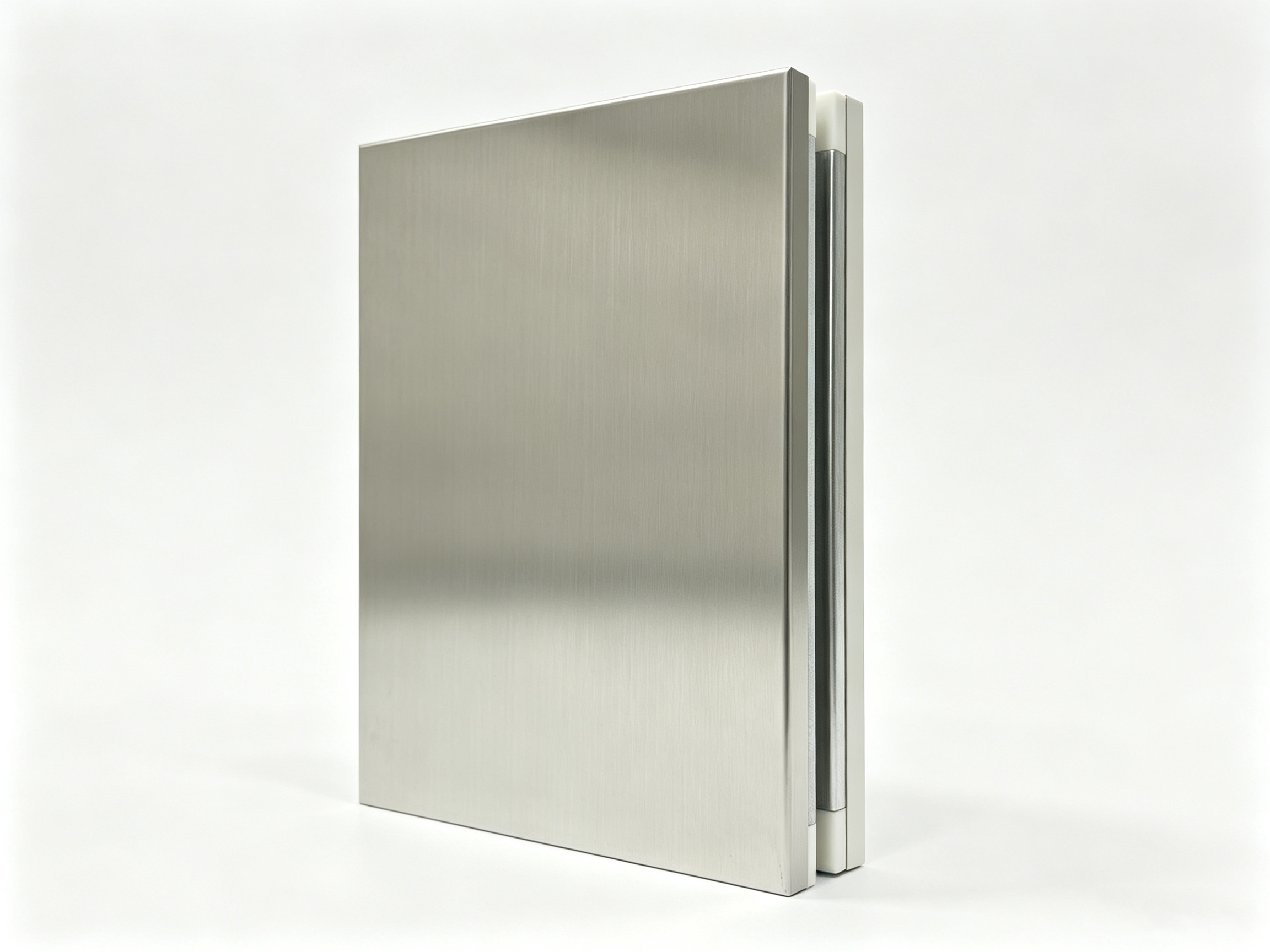
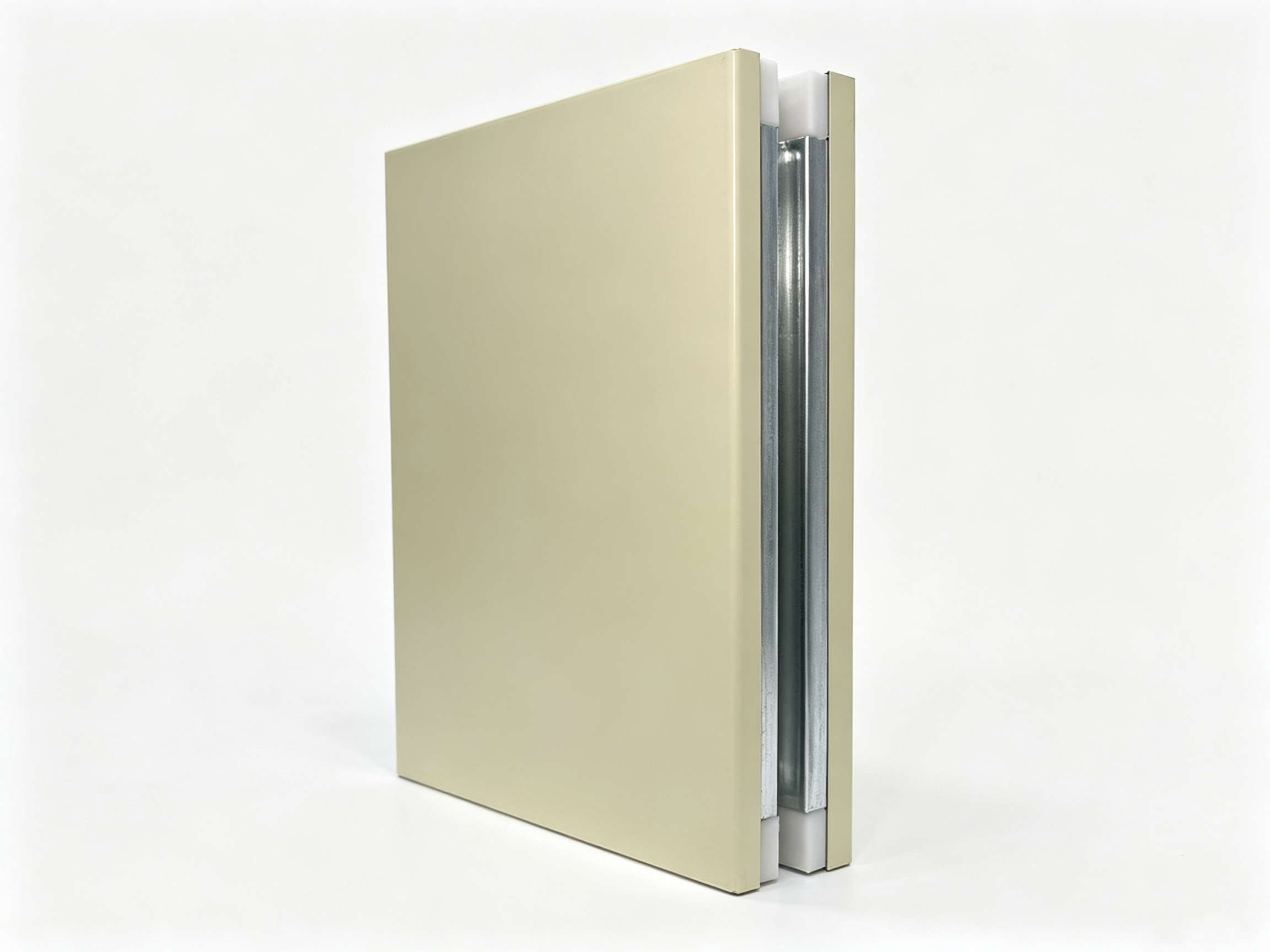
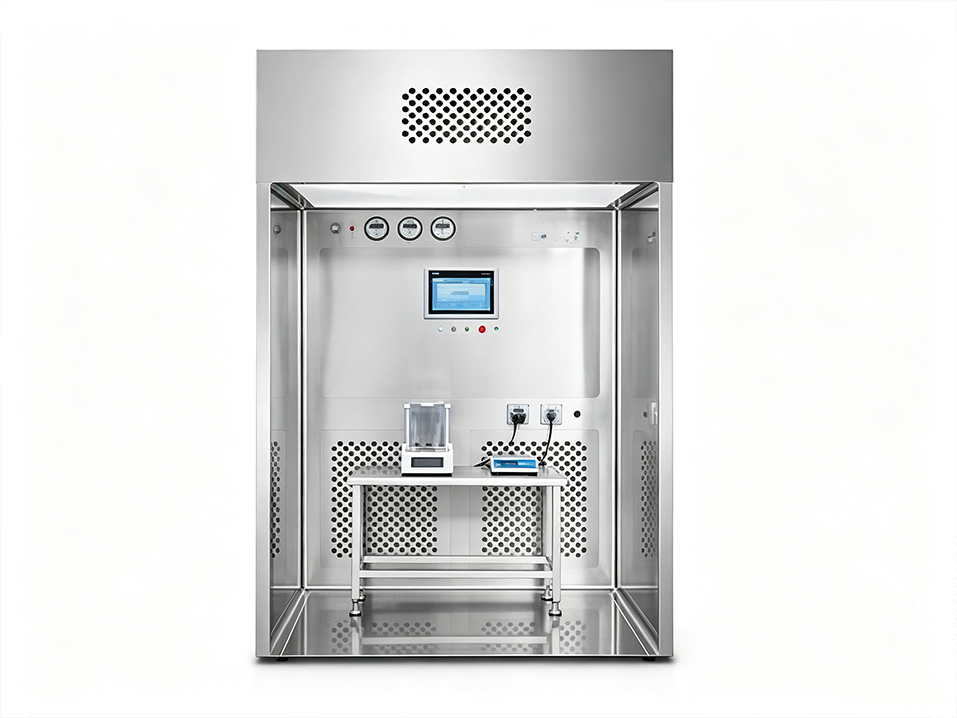
Capybara cleanroom specializes in cleanroom enclosure system , ceiling system, cleanroom doors and windows and related product development, manufacturing, sales, consulting and services.
 English