![]()
Laminar Flow Operating Room Project, Wuxi No.5 People's Hospital
1.Project Overview
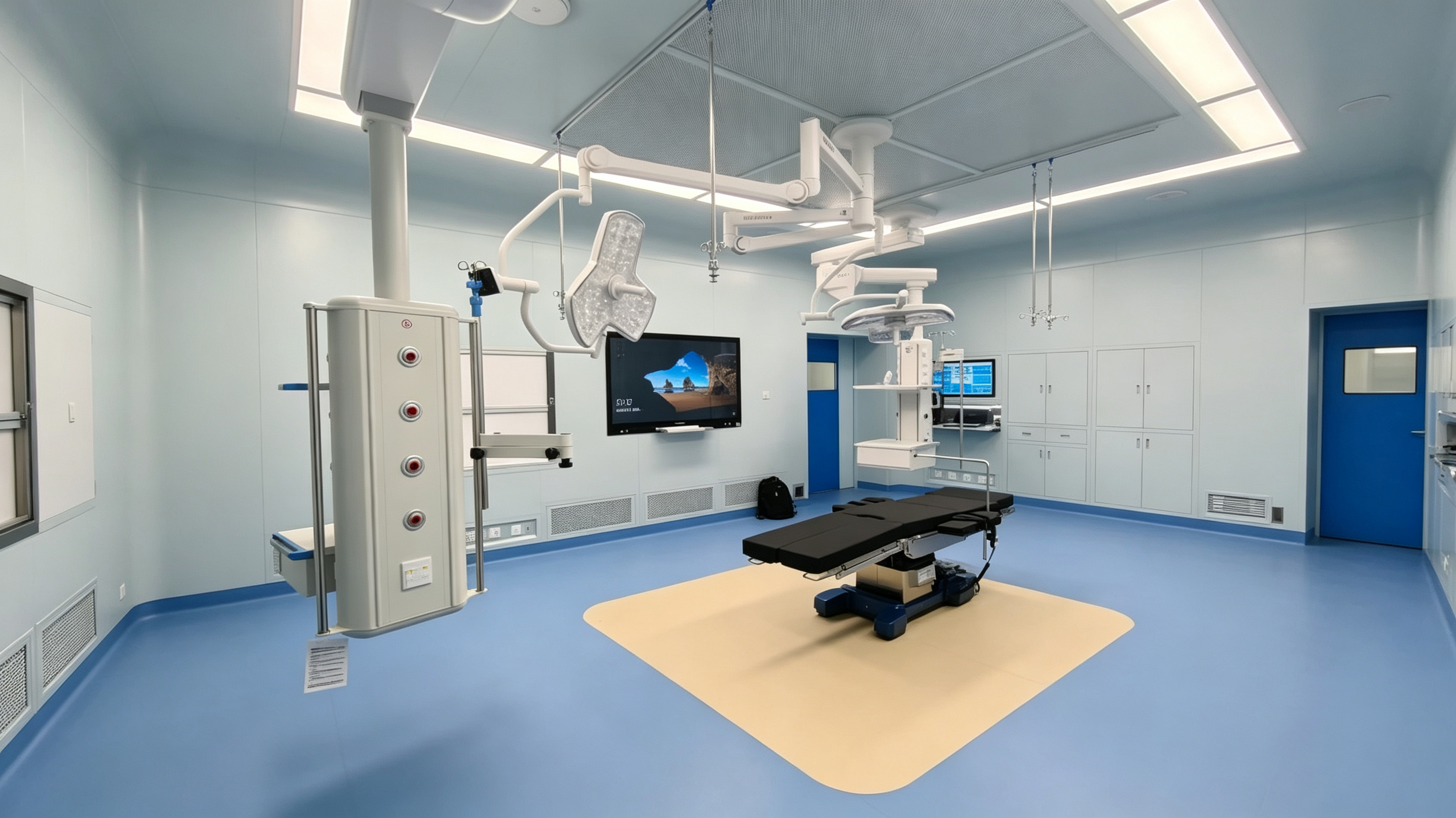
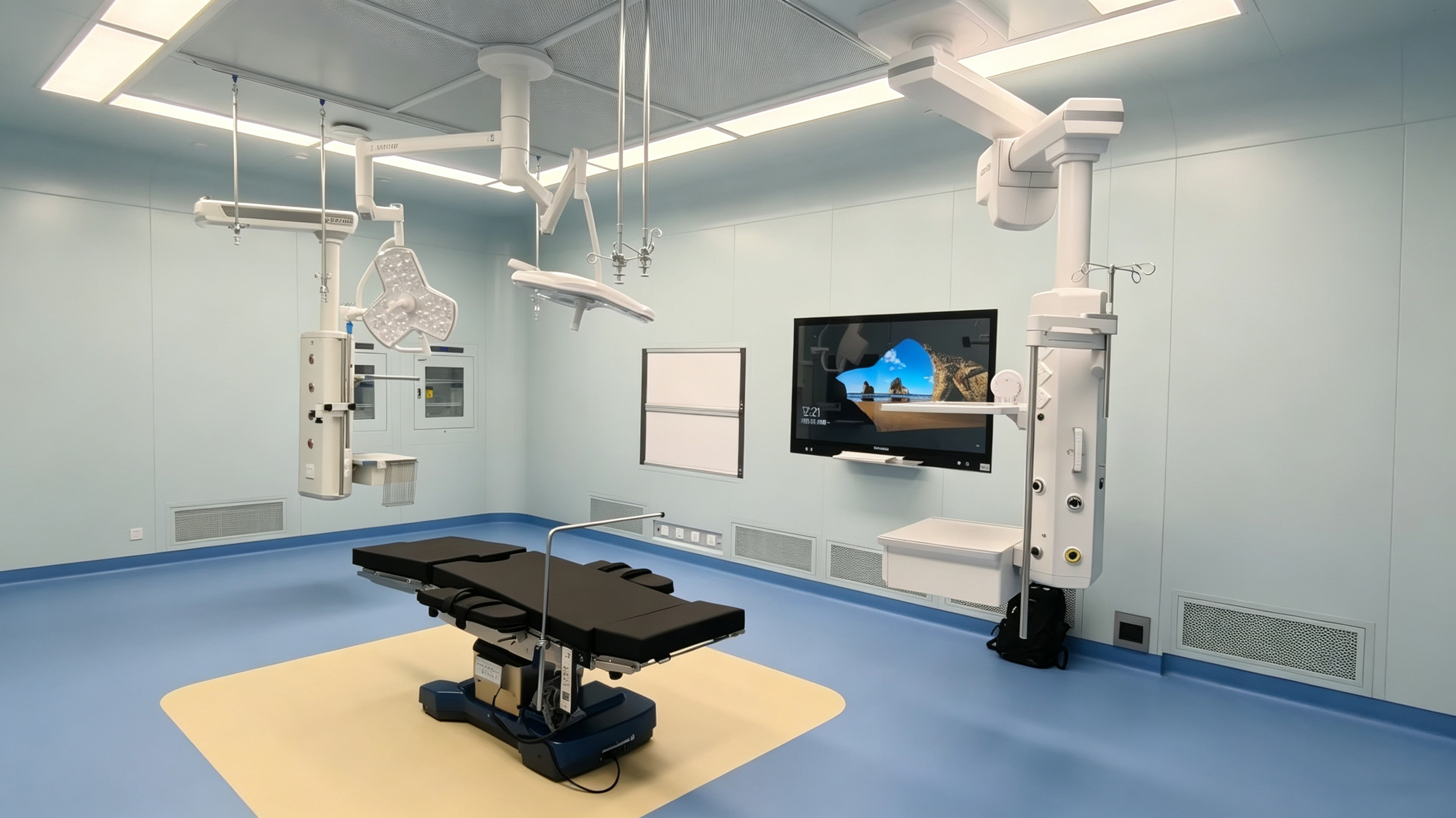
Wuxi No.5 People's Hospital has built 8 standardized laminar flow operating rooms covering general surgery, orthopedics, laparoscopy, interventional and other surgical departments, with strict requirements for sterile isolation, zoned pressure differentials and corrosion-resistant clean enclosures. We fully delivered a full set of clean wall panels, medical pass-through windows, clean doors and supporting purification equipment, completing the overall clean construction of operating rooms, buffer corridors and instrument storage areas, meeting hospital infection control and national standard clean operating room specifications.

2.Project Challenges
- 1. Multi-grade zoning for operating rooms requires precise control of gradient pressure differentials to strictly separate clean and contaminated logistics flows.
- 2. Frequent daily wiping with chlorine-containing disinfectants; walls and equipment must be corrosion-resistant without sterile dead corners.
- 3. Avoid cross-contamination during transfer of instruments and consumables; matched interlock pass-through windows realize sterile material circulation.
- 4. Comply with medical cleanroom standards GB50333 and ISO14644, and pass special hospital infection control acceptance.
3.Supporting Solutions & Implementation Results
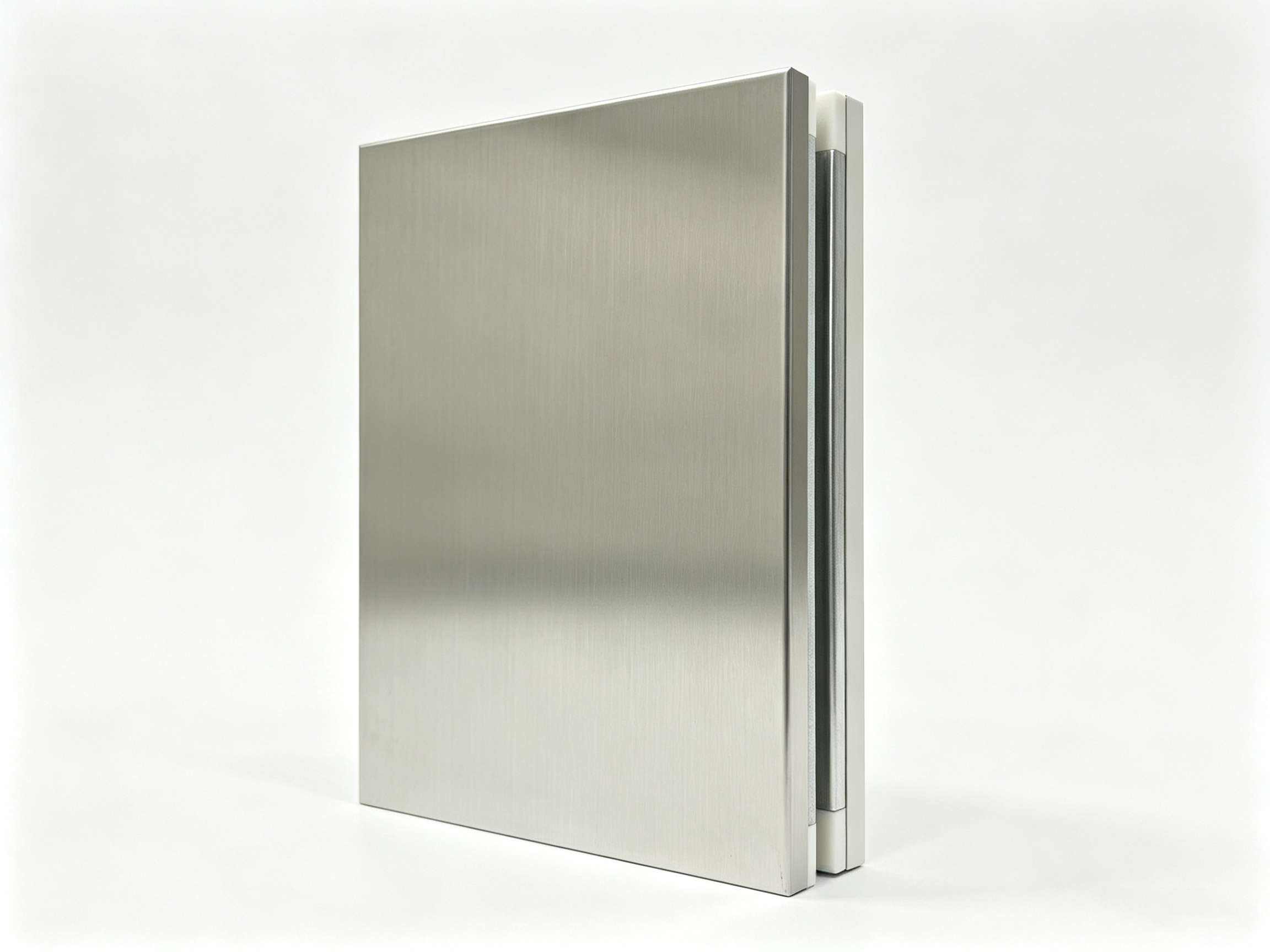
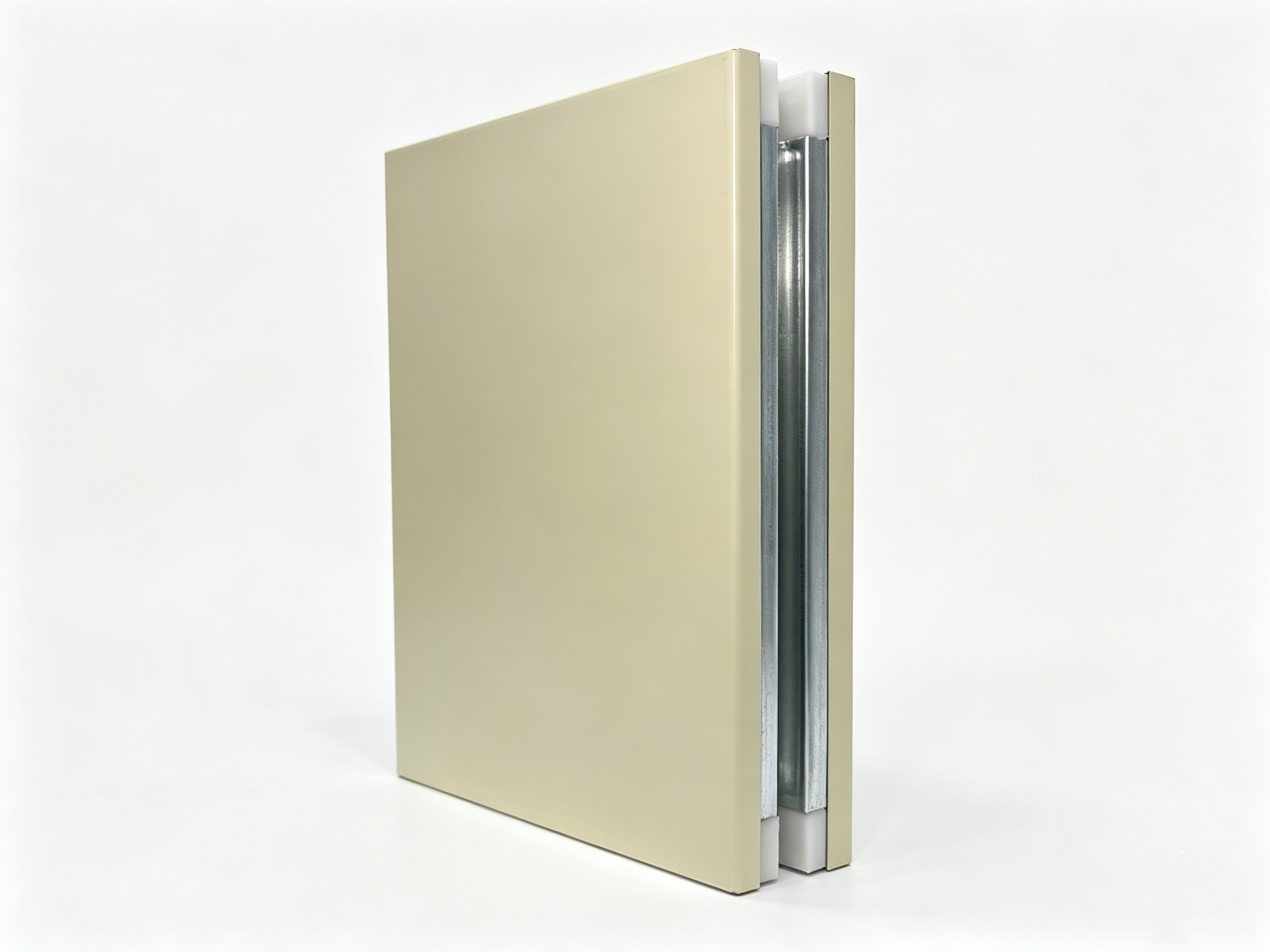
- 1. Cleanroom Enclosure System: Arc seamless antibacterial clean wall panels resist erosion from disinfectants, feature smooth surfaces for easy sterilization, and stably maintain positive pressure environments via zone partitions.
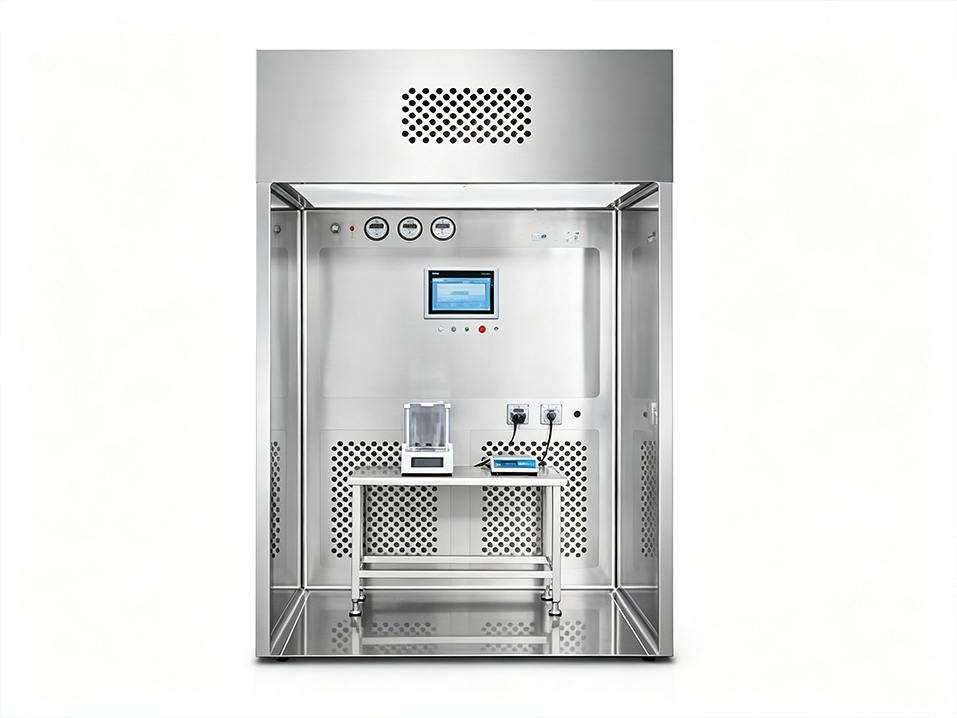
- 2. Medical Pass-through Window: Electronic double-door interlock + built-in UV sterilization enables sterile transfer of surgical instruments and dressings, blocking air circulation between clean and contaminated zones.
- 3. Full set of clean doors, windows and buffer isolation equipment, matched with laminar flow purification systems, effectively reduce airborne and sedimentary bacteria indoors and greatly lower postoperative infection risks.
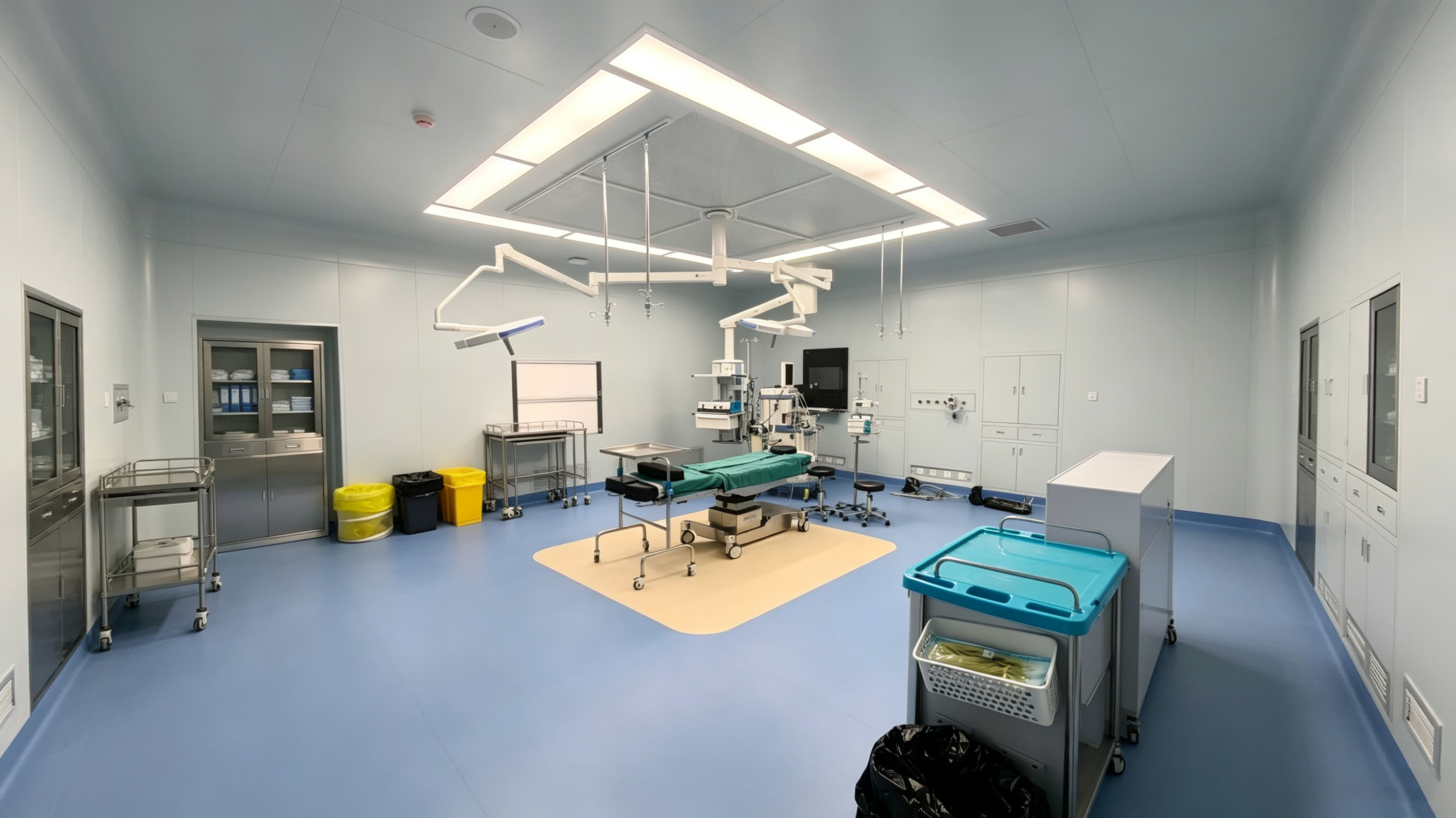
After delivery, the full cleanroom system operates stably. All indicators including cleanliness, airtightness and pressure differentials meet standards, adapting to long-term multi-department surgical diagnosis and treatment demands of the hospital.




 English